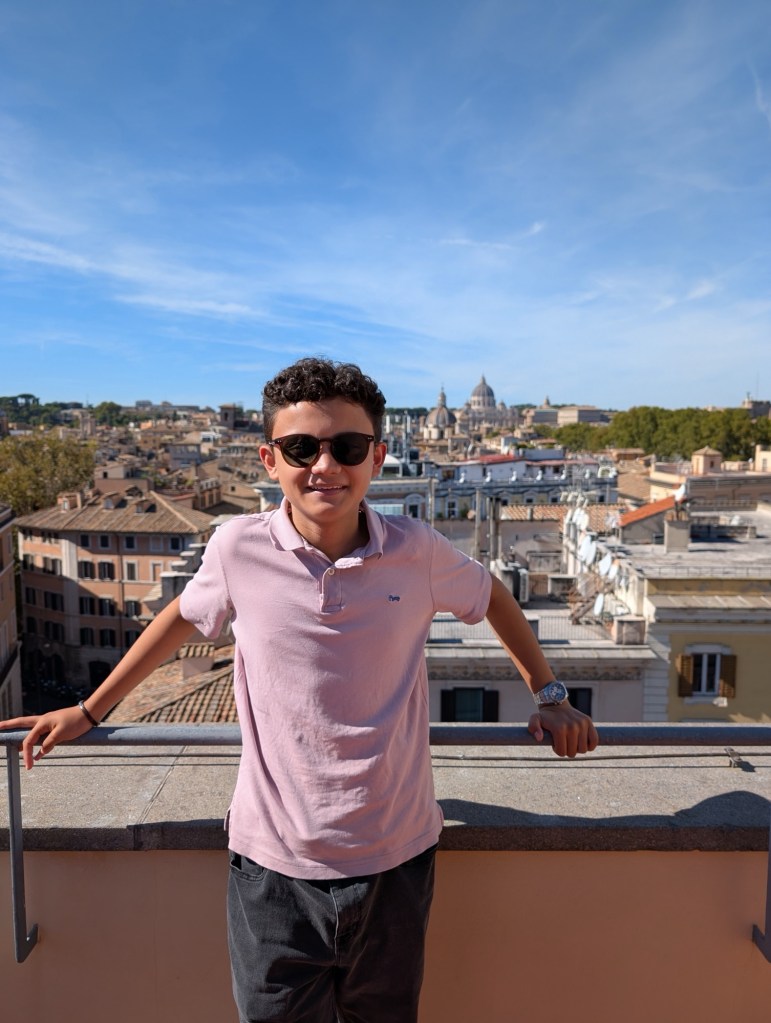
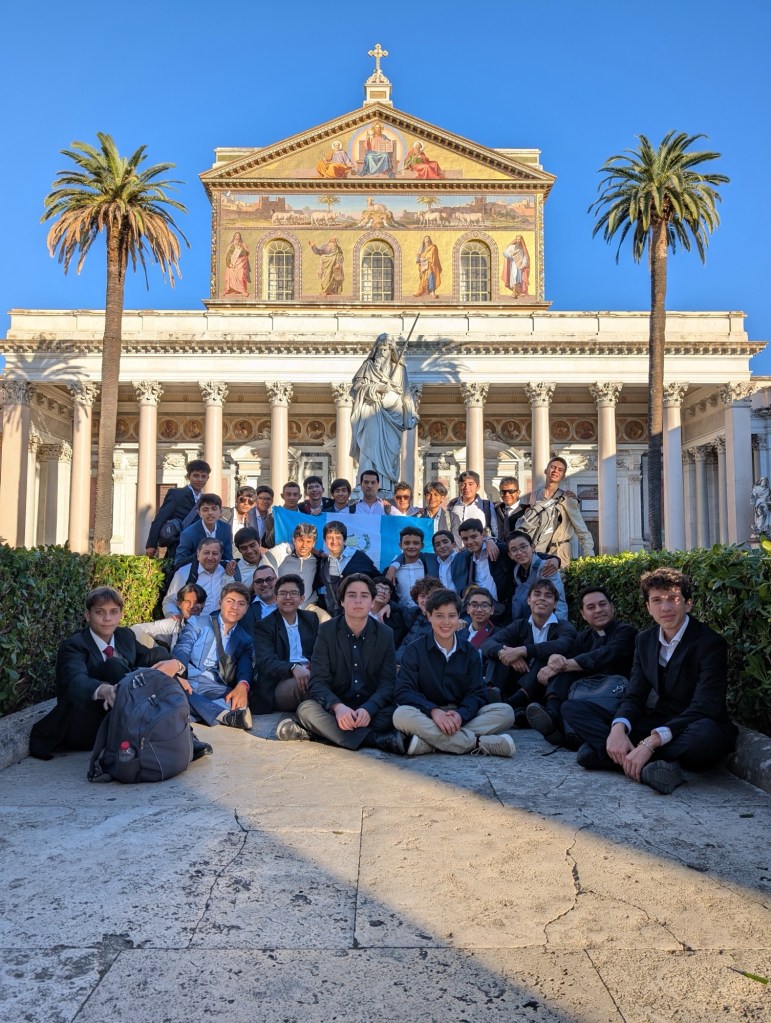
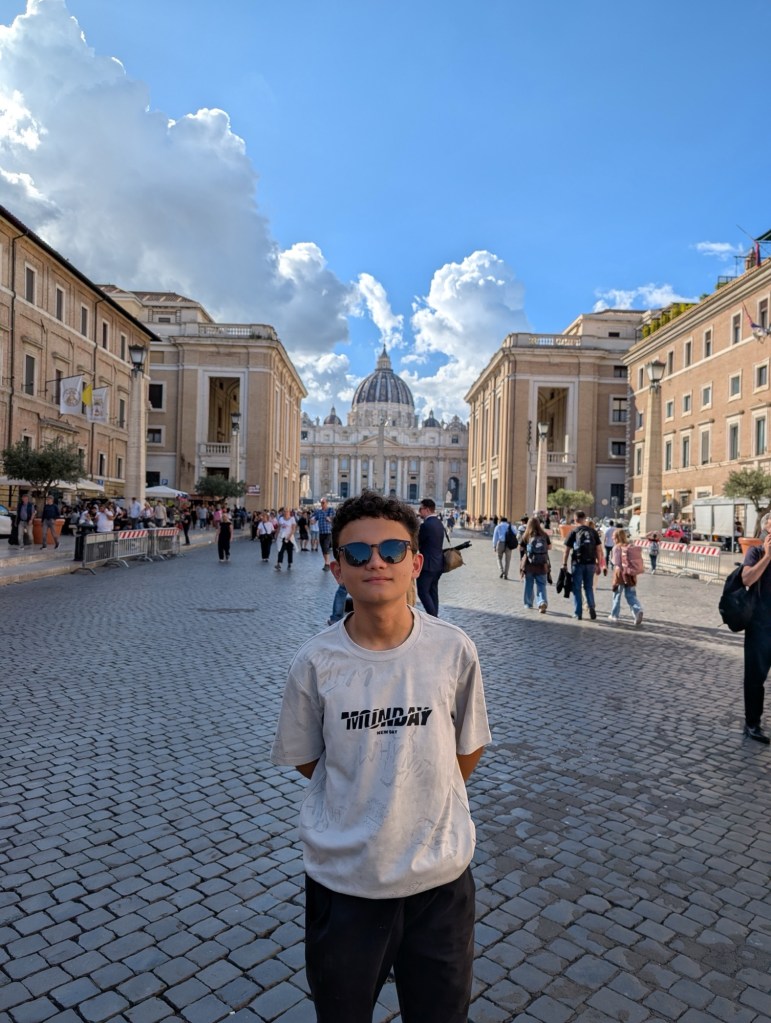
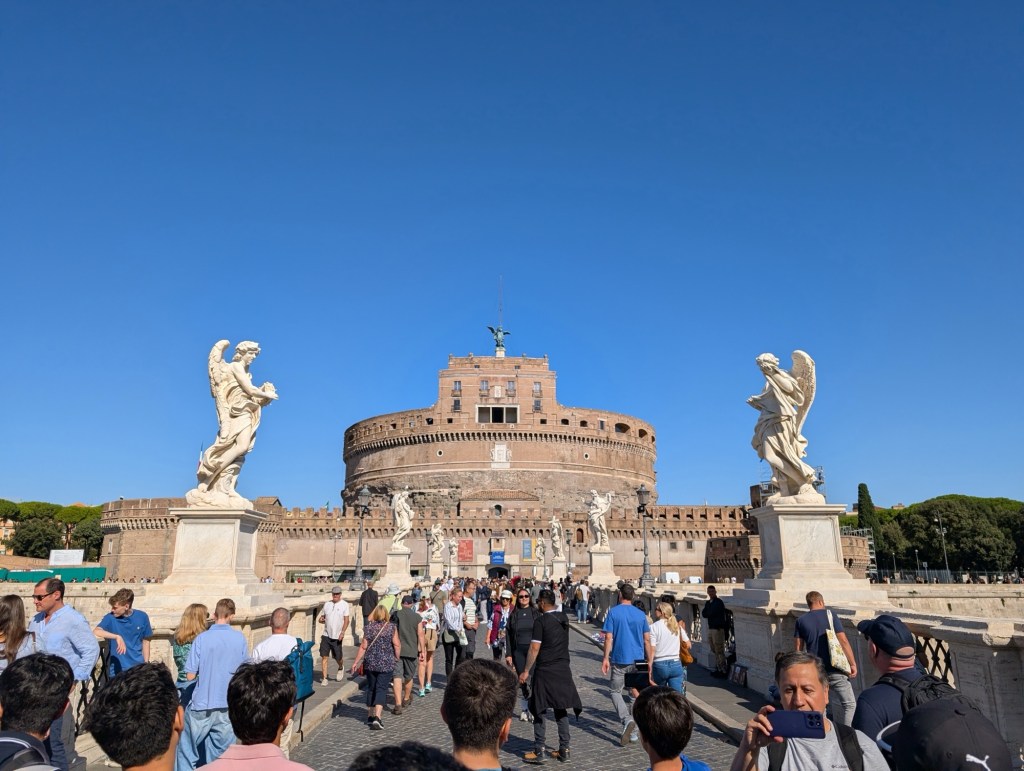
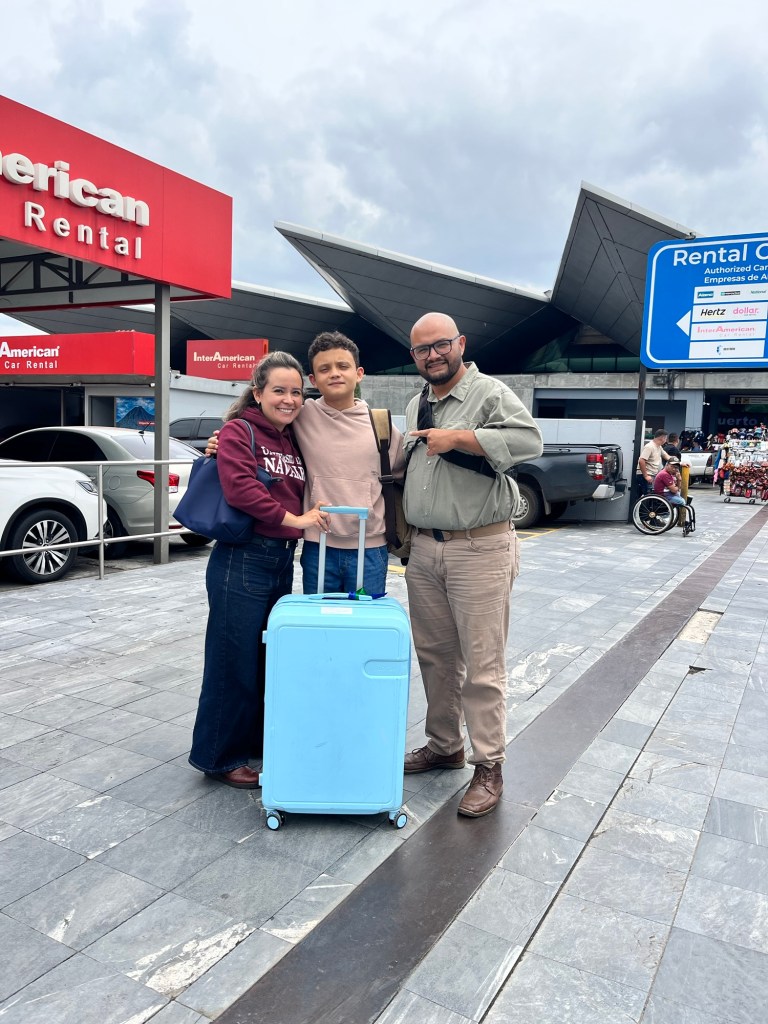
Siempre hay ilusión cuando un familiar regresa de viaje. Usualmente traen algún souvenir. Juan Diego le trajo a su hermano Gabriel, que le encantan los puzzles, in rompecabezas de la capilla sixtina.
Entre los videos de la gopro trajo un par de conferencias, las cuales escuché y aqui van mis apuntes ilustrados con fotos del peregrino.
Tener la Virilidad de ser Feliz
La calma solo viene después de la lucha. Hay unas armas que pueden ser tácticas para empezar la felicidad hoy:
Esas armas son:
Ofrecer el siguiente segmento de tiempo a Dios. Ese vaso que vas a lavar. Esa reunión que acabas de organizar. El tiempo que vas a estar leyendo esto.
Identificar un defecto de caracter, hoy. Y establecer una virtud a conquistar. Los amigos de Bill le llaman inventario moral (ikyk).
Silencio frente a Jesus
En resumen, eso es atreverse a ser original.
La felicidad (o santidad) se trata de un corazón enamorado y eso implica que en cada tarea puedes conseguir lo siguiente:
tener gozo
tener satisfacción
tener significado
proposito
coherencia
significancia o impacto
Si uno logra hacer esta entrega de sí mismo, puede contemplar una existencia sobrenatural en las cosas mas simples del dia.
Vocación ¿O Carrera?
¿Cómo hablas de la vocación con un puberto?Lo Primero (y lo ùltimo): distinguir entre carrera profesional y vocaciónTu vocación no es tu carrera. La vocación podría no darte los medios para subsistir. Y tu carrera profesional por momentos no tendrá sentido trascendental. Lo que no debería pasar es buscar el sentido de vida absoluto en el quehacer profesional, o querer subsistir enteramente de tu vocación. El equilibrio entre estas dos, son como las alas de un ave que gana altura de forma natural.La vocación es el don de si mismo. Entregarse libremente como esposo, y consecuentemente como papá. Esta narrativa está escrita en el cuerpo. Por eso el aparato reproductivo es el único que necesita de otra persona para funcionar completamente. Fuimos hechos para el matrimonio, por eso razón los genitales femeninos y masculinos de forma complementaria casi perfecta, al igual que el cerebro.La vocación es esa manera de donarse sinceramente queriendo amar porque se te da la gana. Es un tesoro.La vocación se te da. La descubres en el camino hacia tu carácter. Aunque querrás, no te la podes diseñar como se hace con la carrera profesional. Para esto hay que tener vida interior, guardar un amor por la verdad y sostener un silencio interior para que uno pueda dar una respuesta a esa llamada de forma absolutamente libre. En el caso del celibato, solo puede tener esa vocación si entiende el valor del matrimonio. Solo el que sabe que se puede ser muy santo viviendo el matrimonio está preparado para plantearse el celibato.Entonces, en concreto, la vocación es el Matrimonio. Y la educación como papá, para que se efectiva, debe ser una constante catequesis del Matrimonio. Porque si no educamos para el matrimonio, educamos futuros eunucos que no se atreven a tomar el riesgo de la vida ya sea en forma de papás biológicos o en autodonación en beneficio del Reino de los Cielos.Clare Crocket era una joven aficionada a la marihuana. En un viernes santo descubre algo y hace un viraje en su vida. Mas tarde murió en in terremoto siendo monja.
Si no preparo a mis hijos para su vocación, no estoy haciendo mi trabajo de custodio.
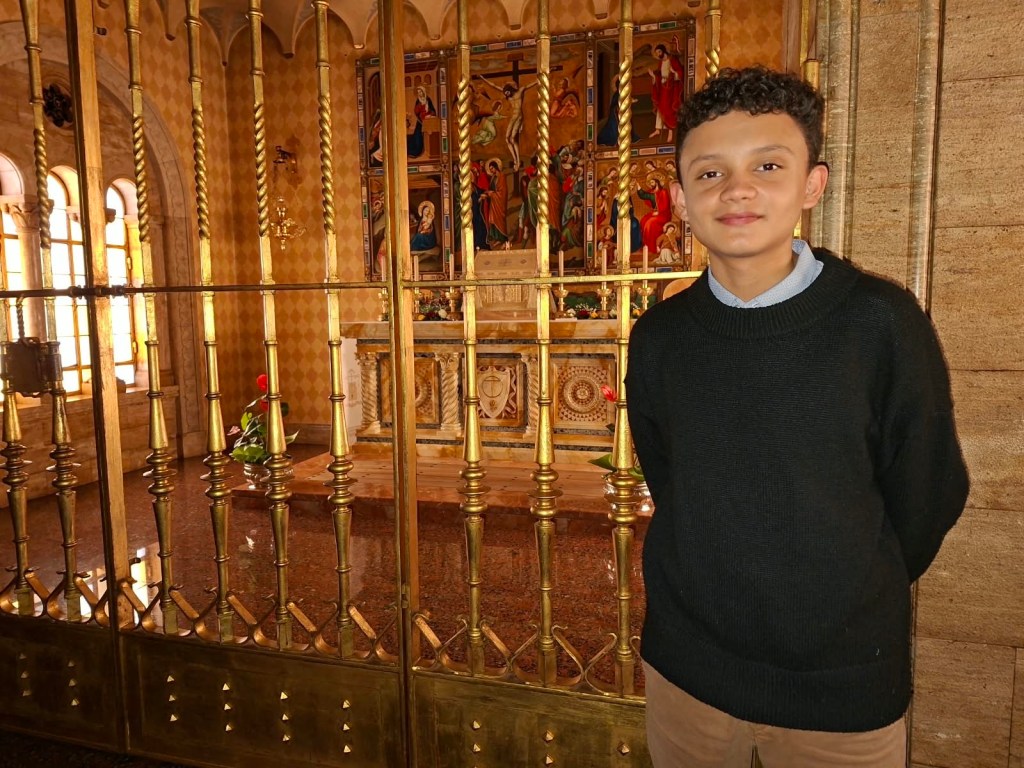
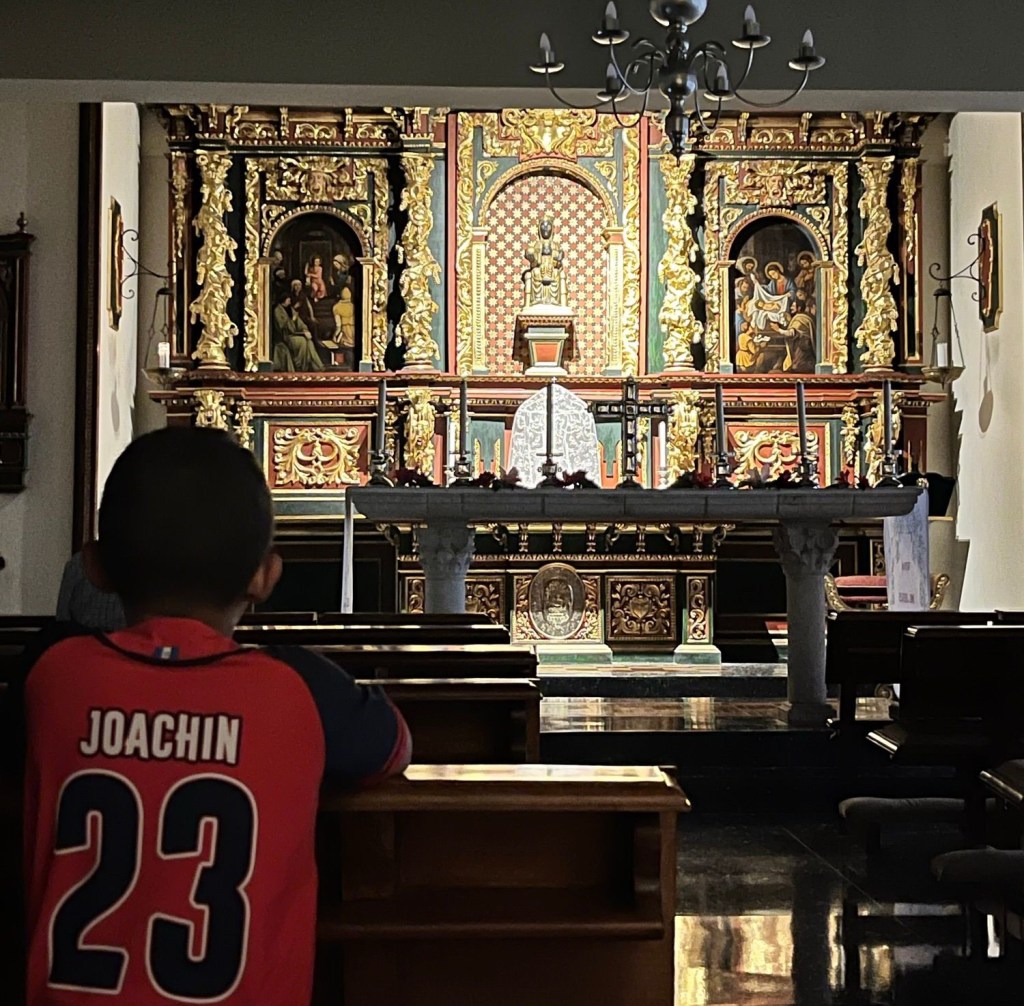
Oratorio de Balanyá. Jose Gabriel hace una visita camino a su partido de beisbol el jueves 27 Agosto. Yo pasé por unos libros y el se bajó a conocer y pasamos a saludar.
Un par de semanas después estuve en la convivencia anual en ese mismo centro durante 4 días consecutivos. Despues de ver varias veces ver ese retablo, me parece haber notado algo.
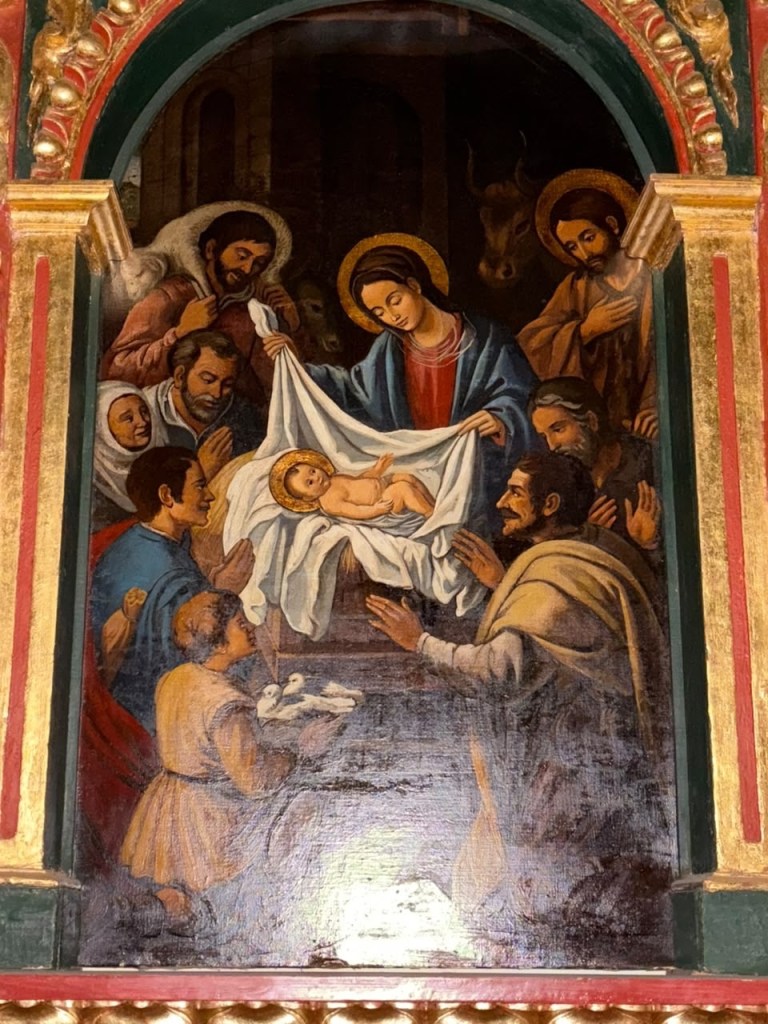
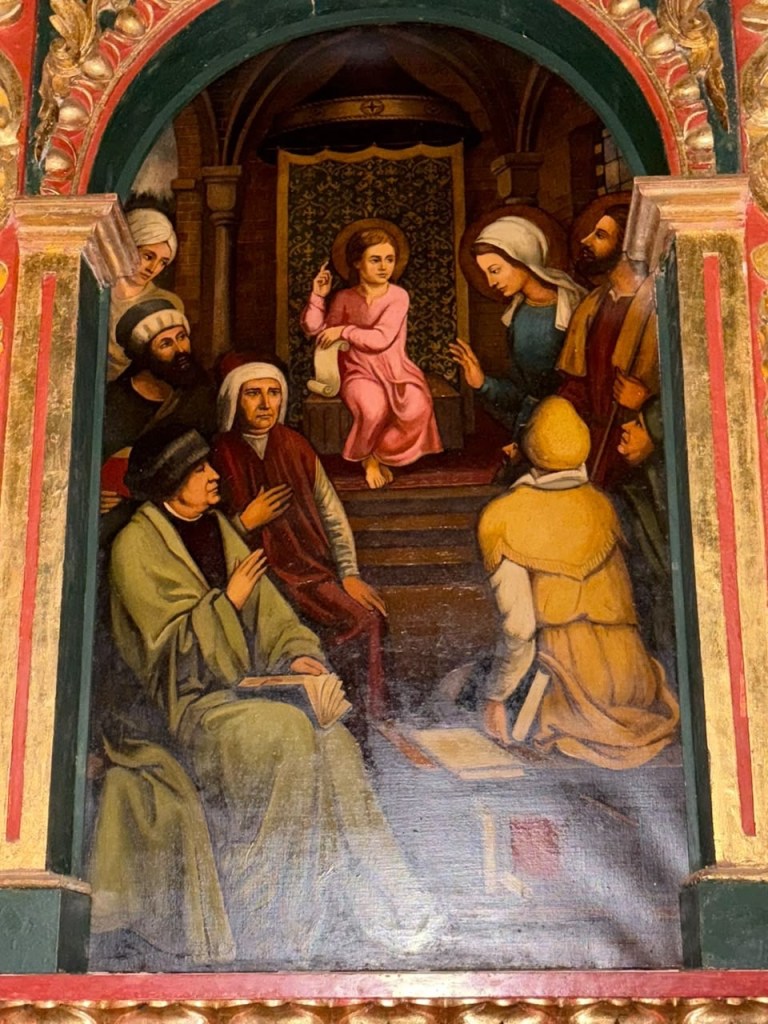
Primero: las pinturas son dos de los cinco misterios gozosos. A la derecha la natividad y a la izquierda el niño perdido y hallado en el templo. Y en ambos aparece san Jose.
San Jose
A la derecha se ve que está anonadado.
Con la mano en el pecho, seguro está sintiendo lo que yo he sentido al cortar el cordón umbilical de mis tres hijos. Un abismo ontologico.
Pero en el otro, me parece que hay una situación interesante.
Primero, Jesus está haciendo contacto visual con san Jose, en una especie de complicidad. Pero, segun el texto de Lucas, su mamá lo regaña al preguntarle por qué habia hecho eso pues estaban preocupados. Mi Gabriel (el de la foto de arriba) se me perdió una vez en un Mall. Fueron 20 minutos, pero no deseo repetirlos. Conozco ese sentimiento.
Pero la disciplina (heroica porque va en forma de pregunta) que pone su Madre contrasta con el lenguaje corporal de San José en la imagen de lado izquierdo del retablo. Me parece que para San José la situación no necesita corrección. Es mas una epifania en vez de una rebelión o una confusión. El versículo termina diciendo que no entendieron.
Opinion
Segun esa imagen de ese retablo san Jose me parece que está celebrando en silencio al ver a Jesus hacer esta hazaña; al fin de cuentas estaba entrando a la edad adulta. Asi como solo una mujer puede convertir un embrión en bebé, asi el papá tiene el privilegio de convertir ese bebé en adulto, o sea desarrollarle el caracter.
Por qué es importante
Porque segun esa pintura estamos viendo a un papà educando desde su identidad de varon. un papá que no tiene miedo de hacer su oficio. Claudio Risé dice que el padre interrumpe la simbiosis con la madre siendo un portador de la herida— un testimonio de una perdida que a su vez es un ejercicio de iniciación. A la ausencia de esta experiencia de perdida se le llama ansiedad. Estos ritos de adopción constituyen la identidad (o la falta) del hijo.
El padre es el fuego de la voluntad
De acuerdo con el 3er concilio de Constantinopla, Jesucristo tiene dos voluntades: una humana y otra divina. En una misma persona (hipostasis). Por lo tanto ha sido san Jose el fuego de esa voluntad en la primera infancia (humana) de Jesus.
En virtud de lo anterior, san Jose se encuentra celebrando esa perdida y hallazgo del Emmanuel que soñó hace 12 años. Porque, como dice Alfonso Basallo, el papá enseña cosas al hijo, pero al mismo tiempo, el hijo, sin saberlo, educa al papá. Para Jose (o cualquier otro papá) esta epifania es una ceremonia. Y mas que un hito de desarrollo, es una develación (apocalipsis en griego).
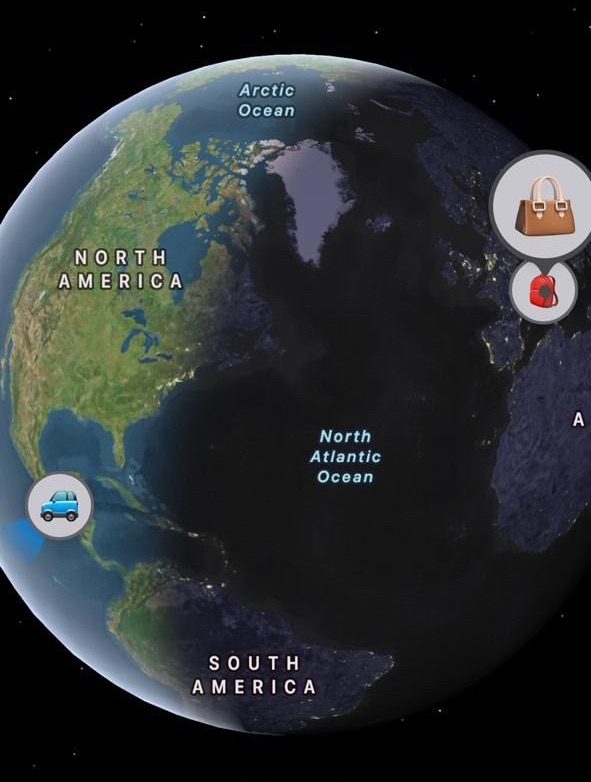
3 Oct 5pm — pantallazo de “find my items” del iPhone ¿dónde estará Juan Diego? Los íconos de maleta lo muestran. Hoy en el aniversario de natalicio De mi papá quizas se haría la misma pregunta; o alreves.
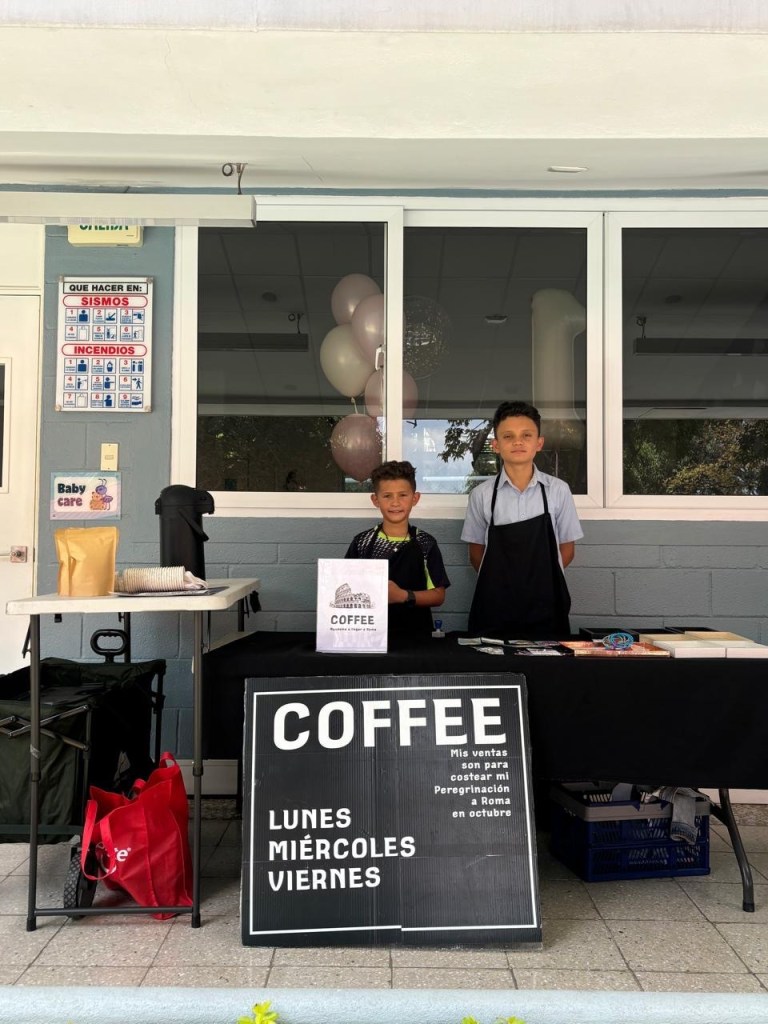
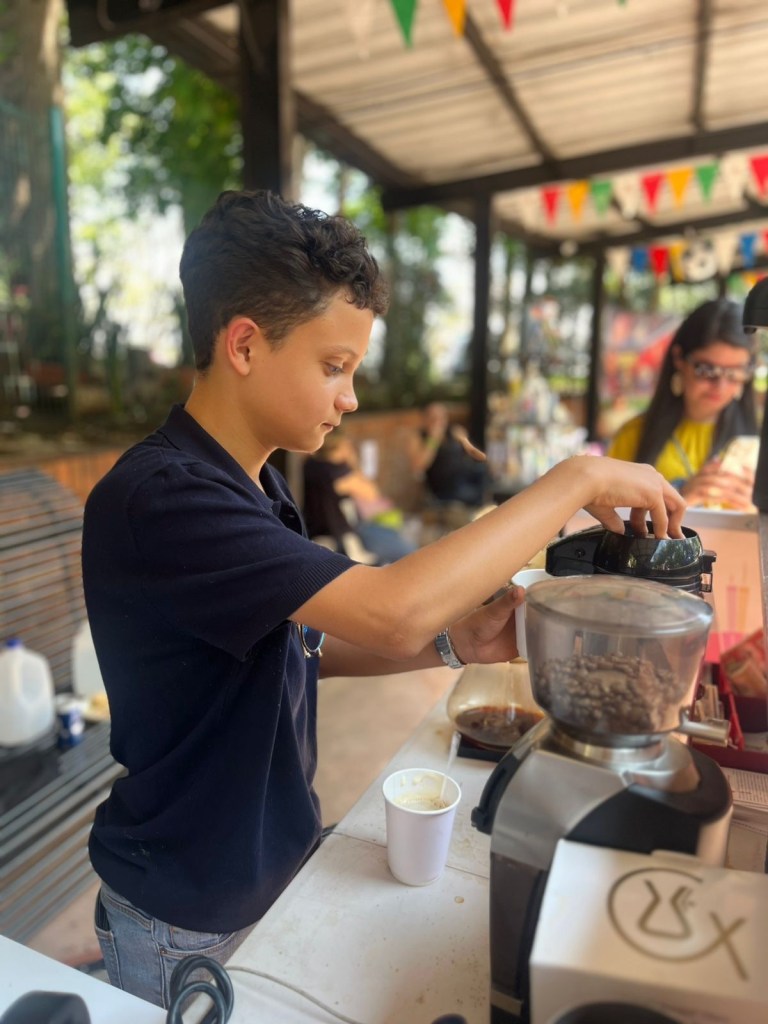
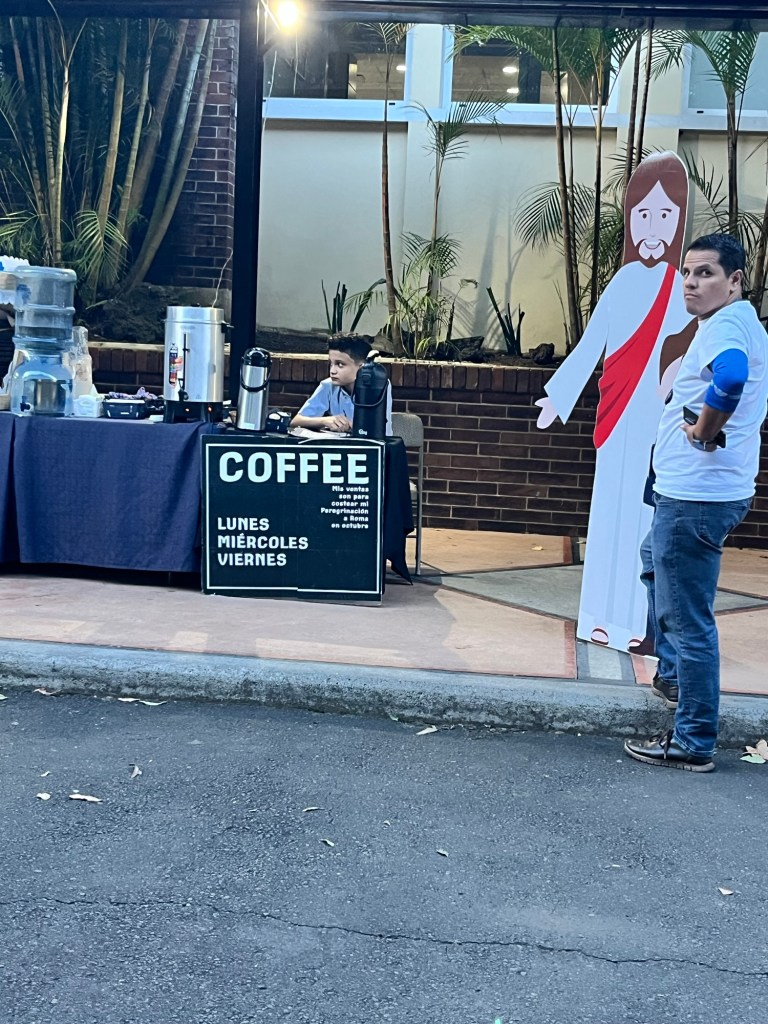
Éste es un agradecimiento a todas las personas que enviaron a Juan Diego a este peregrinaje. Desde los que compraron un café hasta los que hicieron grandes aportes económicos y espirituales. Quizás ni se imaginan el bien que han causado, porque el viaje nunca fue el objetivo — sólo yo como papá he aprendido y crecido mucho.
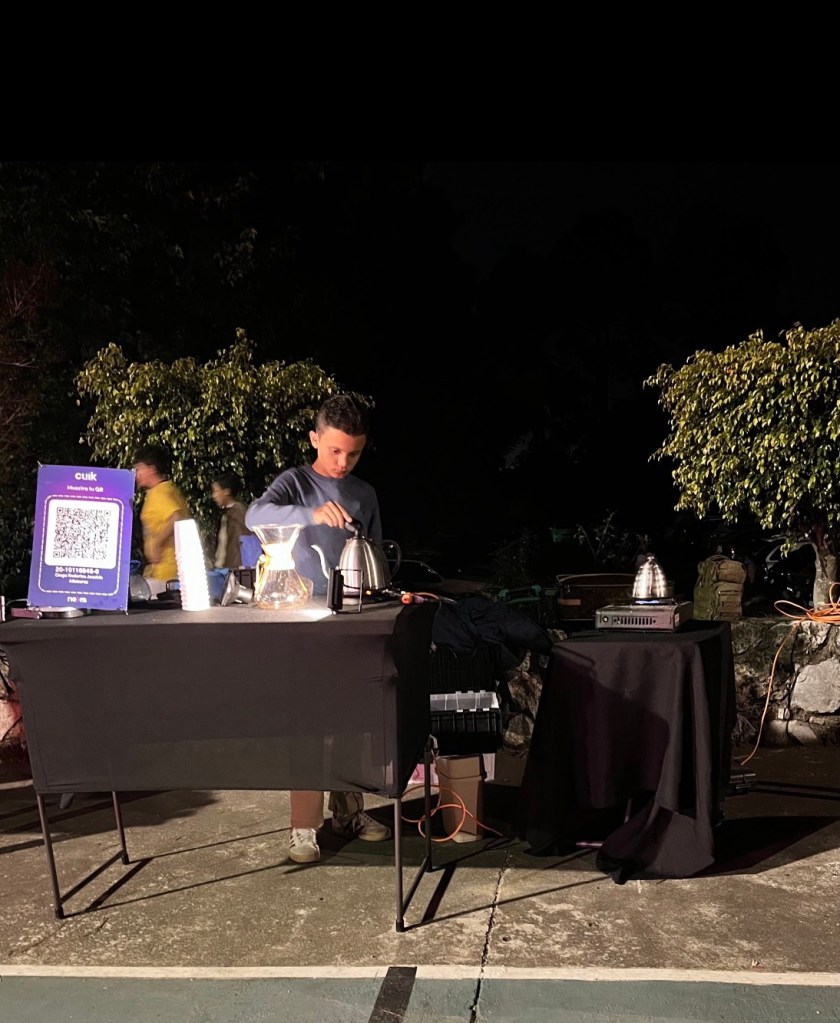
Mas de 130 transacciones en Nexabanco de Noviembre a Julio. Alrededor de 400 cafes. Trabajos varios desde entrenos de beisbol a su primo de 3 años hasta limpieza de ventanas y pasando por ser instructor del curso de vacaciones de Nabajal.
Sin embargo —como todo lo bueno y lo malo— nunca se logra solo. Sus hermanos fueron clave.
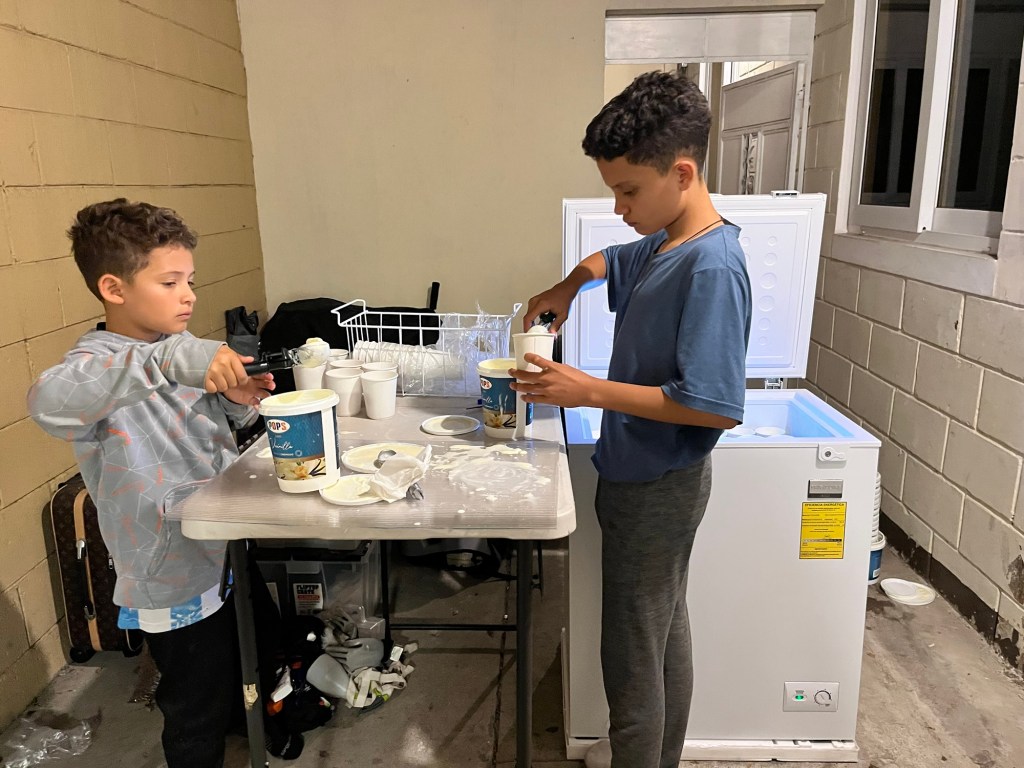
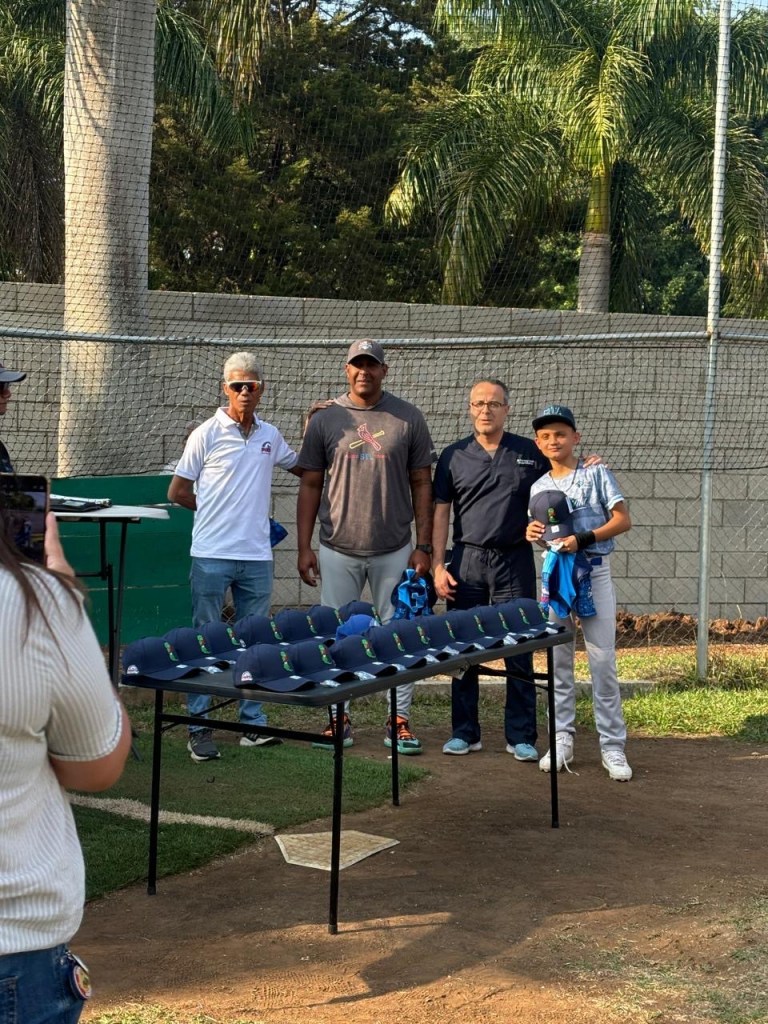
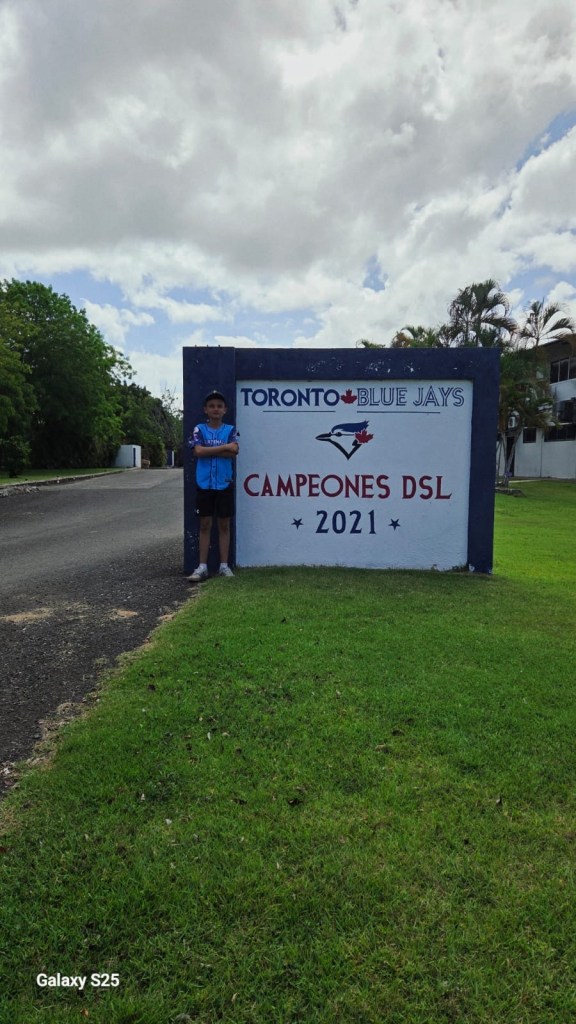
Gabriel ayuda prepararando los helados para la venta de affogattos para la mañana familiar del Roble11 de febrero 5: 47 A.M. en el parqueo del colegio. Gabriel se pone a leer su libro del bimestre. María Inés todavía duerme en la silla de carro mientras Juan Diego monta la mesa para empezar a vender. 8 de abril a las 12: 30, colegio las Charcas — Gabriel ayuda a Juan Diego en un bazar facilitado para los peregrinos, y esa vez yo no pude ayudarlo, porque tenía compromisos con Conduent Esta mesa que puso en la mañana familiar, se la patrocinó su tía CeciliaPrincipios de diciembre — venta de café en clausura de Nabajal. Ese fue el día en que más vendio. Mañana familiardel roble. Mayo — Juramentación para ir a jugar a República Dominicana. La mayor parte de este viaje lo pagamos con los fondos que tenía de las ventas del peregrinaje. Es decir, que no solamente logró cubrir la parte de Roma, sino que, además otro proyecto alternativo. pudo conocer uno de los centros de entrenamiento que los equipos Grandes Ligas tienen en República Dominicana en Boca chica 17 de julio seis P.M. Vela al santísimo para los papás que sus hijos harían la primera comunión al día siguiente Circunstancias económicas penosas sólo sirvieron de momentum para el peregrinaje
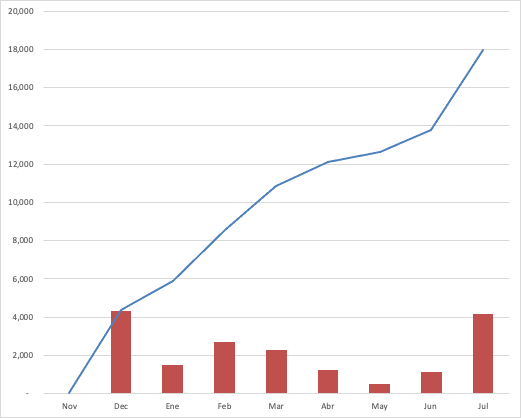
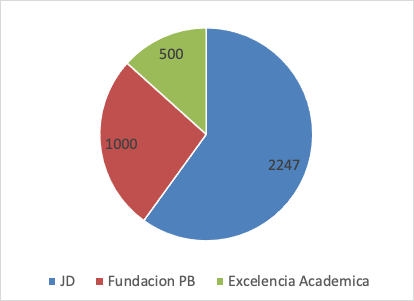
Cifras en quetzales, no incluye beca PB y beca académica
Una gran porción de esa primera barra de diciembre viene de este cheque del curso de vacaciones de Nabajal
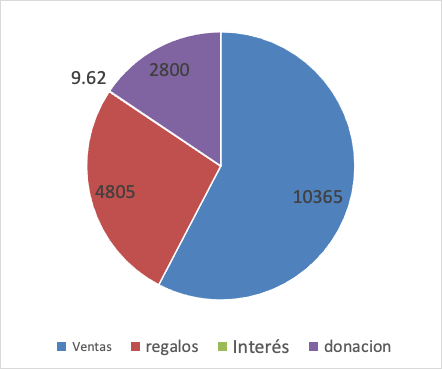
Cifras en quetzales. Ventas se refiere a toda generación de ingreso propiamente de Juan Diego. Yo patrociné la mayoría de costos fijos y costos variables. Donación significa aportes deliberados de personas que le dieron dinero por purísima generosidad. Regalos se refiere más que todo dinero que le regalaron en Navidad y por su cumpleaños. Por eso diciembre quedó tan alto.
Cifras en dólares, el viaje costó $3500
En la época de Jesús para los judíos, la mayoría de edad era pasados los 12 años casi 13 para los varones. Cuando Jesús se pierde por tres días en el templo, Sus papás no lo entendieron. Aunque yo sospecho que San José si lo entendió, así como si entendió el mensaje del Angel en el sueño y tomó acción para irse a Egipto.
Tener un hijo es perderlo. Ser papa es concomitante, no sucesivo. Autoridad sin competencia. Para un papa, el fracaso no es fracaso, es camino.
La mejor inversión en educación es priorizar la formación del carácter de tu hijo
Mi trabajo de papá es criar adultos, no niños: personas competentes, responsables, consideradas y generosas, comprometidas con principios de integridad.
Situación
deporte: beisbol / Liga Javier / Guatemala
categoria: pre infantil (9 – 10 años)
Campeonato: torneo final para descubrir al campeón de la temporada de verano 2026 (Febrero – Agosto). El primero que gane dos juegos.
Caso: El oponente ganó el 1er juego. En el 2do juego, en la parte alta de la 6ta entrada le toca batear al oponente que va perdiendo por una carrera. Si empatan y anotan una mas, se termina el torneo. Si no logran anotar, tiene que haber un tercer juego. El oponente no logró empatar, pierde el 2do juego. Pero hay una situación: Al comenzar ese ultimo inning el oponente no sabe ni se recuerda a quien le toca batear. El manager le va a preguntar al anotador oficial porque el tampoco se recuerda a quien le toca. El anotador (que aun no termina de cotejar las ultimas jugadas) le da el nombre equivocado. Cuando el manager se da cuenta del error, el partido ya estaba en marcha. Alli mismo decide protestar el juego y la liga lo ampara para que se repita esa ultima entrada en otra ocasion — a pesar de que se hicieron los tres outs con jugadores del propio equipo.
Por qué no continuar
Como tutor de mi hijo, estoy enfocado en el carácter, no en la carrera ni en los trofeos. Los deportes no deben fracturar la vida interior; deben aportar energía alegre y lecciones de vida. Enseña a afrontar, no a escapar. Los padres ejercemos liderazgo afectuoso pero asertivo: autoridad segura, ejemplo vivo, no permisividad ni sobreprotección.
El campeonato es secundario. Lo que importa es qué adulto está formando esta experiencia en tu hijo. La repetición de ese ultimo inning se convierte en un campo de batalla de reclamos, se debilita el juicio, la responsabilidad y la integridad.
Hay que insistir en proceso sobre resultado, especialmente en deporte infantil/juvenil. El resultado de los partidos es irrelevante a estas edades. Los niños, una hora después, recuerdan si se divirtieron, no el marcador. El fracaso es positivo y el mejor entorno de aprendizaje. “Si no te mata, construye carácter.” Los grandes atletas se impulsan más por los fracasos que por los éxitos.
“Every single great athlete and team has always had impeccable character. Only standup people are rewarded in sports.” Tom House
Hay que dejar que que el niño falle y aprenda
Repetir la ultima entrada es enseñar que la adversidad no se afronta y que del fracaso no se puede aprender. Es una catequesis de que “si el resultado no nos gusta, reclamamos hasta que lo cambien”.
Si el equipo oponente alega error del anotador oficial y se fuerza una repetición, ¿se está enseñando a respetar la autoridad del oficial y a aceptar el resultado (aunque duela), o a buscar cualquier resquicio para “corregir” lo que no nos favorece?
Hay que tener integridad — cumplir la palabra y aceptar las reglas. Solo personas de carácter sólido prosperan a largo plazo. El marcador no define. El carácter sí. Si la repetición se vive como “tenemos que ganar sí o sí porque el campeonato está en juego”, el resultado se convierte en ídolo.
Quiero formar adultos responsables, no niños que se victimizan. Si tu hijo (y el ambiente del equipo) interioriza “nos robaron el partido”, se debilita la capacidad de afrontar. El mensaje que se debió transmitir era: “El anotador es el oficial. Jugamos, aceptamos y seguimos.”
Aquí (gracias a los adultos) el valor formador del beisbol se ha perdido. Este torneo se ha vuelto una lucha política o de “justicia” que genera queja, resentimiento o presión excesiva. El mensaje implícito es que el resultado importa más que el respeto a las reglas y al oficial. Genera tensión familiar o agota la energía que debería ir a formar carácter. Se está protegiendo el “título” en vez de formar al adulto.
Por el lado de nuestro equipo a los papas (que por hoy somos su autoridad moral) nos toca demostrar serenidad y enfoque en el proceso, eso se graba más que cualquier victoria.
Mensaje para nuestro hijo
“Ganamos el segundo juego. Hubo una disputa sobre el anotador. No vamos a jugar porque no hay respeto a las reglas y al oficial. Lo importante no es el campeonato: es cómo jugamos, cómo aceptamos lo que pase y cómo nos comportamos. Eso es lo que te va a servir toda la vida. El marcador se olvida; el carácter no.”
Este post lo escribí en base a los libros de James Stenson (experto en educación) y Tom House (experto en beisbol).
Su diseño esencial —dos piezas distintas diseñadas para encajar a la perfección— contiene, en miniatura, toda la posibilidad de construcción.
De esa unidad única e irreductible surge toda estructura posterior: la sencilla torre de dos ladrillos de un hogar, la extensa ciudad de una civilización, la arquitectura catedralicia de la cultura misma. Cada nueva configuración tiene un aspecto diferente, cumple un propósito distinto, pero se mantiene fiel a la misma geometría fundamental de conexión.
Así como toda creación Lego, por muy elaborada o inesperada que sea, no es más que el ladrillo original repetido, rotado y unido según su lógica inherente, así también toda sociedad humana es un matrimonio reiterado, transfigurado y escalado.
El lego no solo precede al juguete terminado; es la gramática oculta del juguete terminado. Del mismo modo, el matrimonio no es solo la primera sociedad, sino la última: la forma que, al divinizarse, se convierte en la comunión eterna de las personas, el perfecto entrelazamiento de la Trinidad y los ciudadanos del cielo. Los clavos y tubos del ladrillo son el análogo terrenal de ese ajuste divino. Son la clave interpretativa universal: una vez que entiendes cómo dos piezas están destinadas a sostenerse entre sí, entiendes cómo todo lo demás se mantiene unido, y cómo todo lo demás es sostenido por Aquel que diseñó el sistema.
Sintomas, no causa
El matrimonio como pacto para el romanticismo es la herejía que mueve todos los síntomas como el divorcio express, la sodomia legalizada, el asesinato del no nacido, el adulterio discreto, etc.
El matrimonio es una alianza donde el Señor del cielo y la tierra participa. O sea es sacramental.
Pero ha pasado de ser una alianza divinizada, a una sexo-licencia revocable. Un leasing de cuerpos. Un swap de egoísmos.
Para el bautizado, no es tanto una cuestión de “construir” la vida sacramental, es cuestión de aceptarla.
Conclusión
Somos como un lego en que cada uno dependemos de alguien mas para tener sentido. Nadie se salva solo y nadie se condena solo.
Entonces hay que educar para el matrimonio, independientemente de la vocación específica de cada hijo. Estamos transmitiendo nuestros hijos a la sociedad mucho más directamente que transmitiendo la sociedad a nuestros hijos. O sea no se trata del mundo que les dejamos, simplemente es la fe lo que podemos heredar.
La palabra ascetismo viene del griego ascesis, que significa «ejercicio corporal» o «entrenamiento físico», … La ascesis es la lucha para poner las propias pasiones al servicio del bien, para dominar las pasiones desordenadas y para ejercitarse en alcanzar la virtud.
Palestra Ascética para Hombres —Antonio J. Gómez-mir
Mientras haya lucha ascética hay vida interior – #40 viacrucis
Este 2026 he contratado a un trainer y un nutricionista para:
1) retomar el habito del ejercicio; y
2) temperar el apetito gestionando buenas comidas.
Busco dejar un zurco de dopamina lenta en mi lóbulo frontal. Voy a meter lo feroz de mi apetito voraz en un reactor que revele mi diseño y por lo tanto el destino. Será austeridad deliberadamente estabilizadora.
Esto comienza el uno de enero. El seis de enero ya estoy vacilando. La sola frustración me dan ganas de escapar a comer un postre o darle rienda a un sobre-consumo impulsivo en Novex o Cemaco.
Estrategia: hacer el “si” del alimento más difícil y poner como default el “no”.
Así como Trump tomó Venezuela, hay que tomar gobierno sobre las pasiones — ya no mas democracia. Mis pasiones no obedecen a mi inteligencia porque les he dado un poder politico.
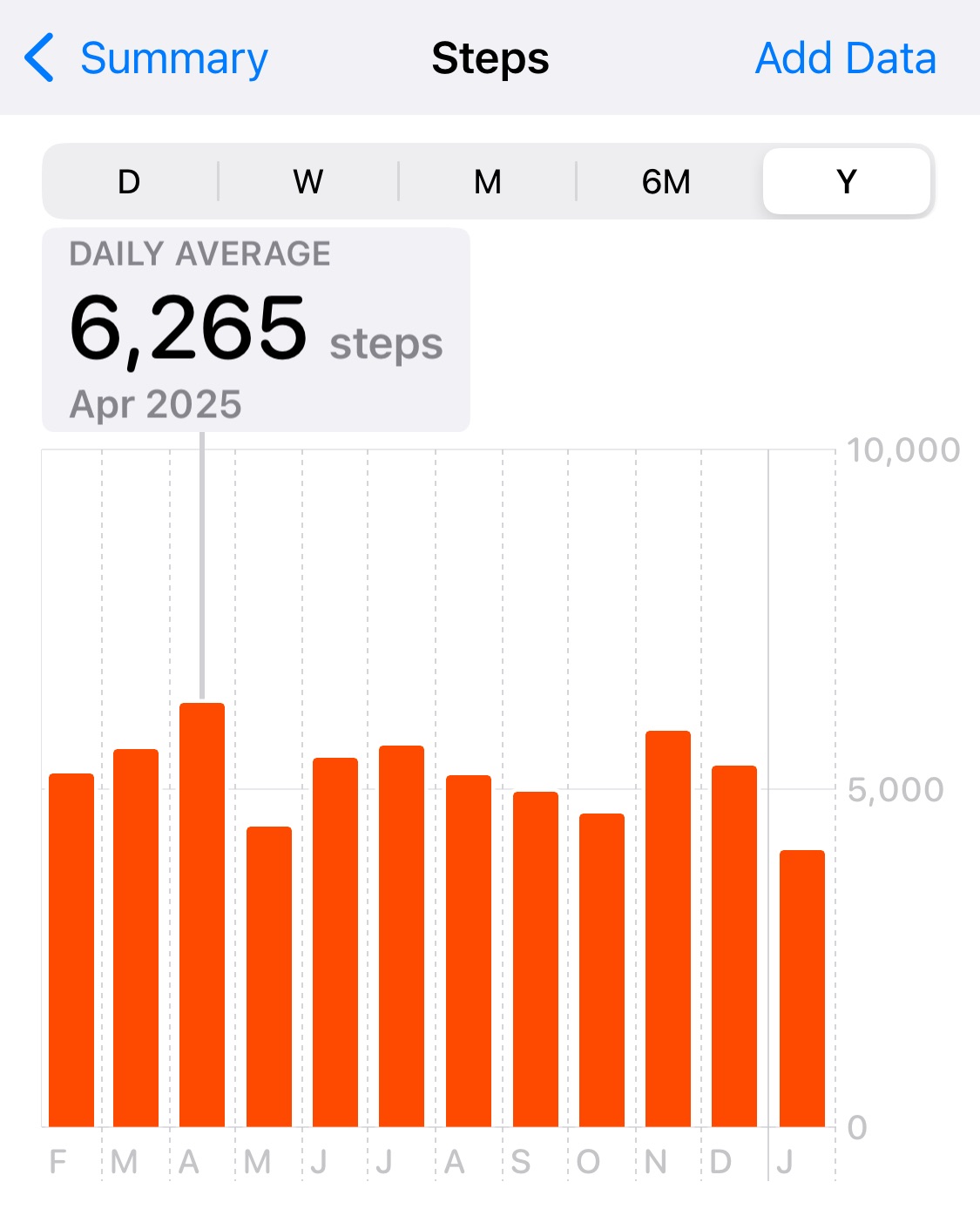
Pantallazo de mis pasos mensuales 2025 segun el iPhone.
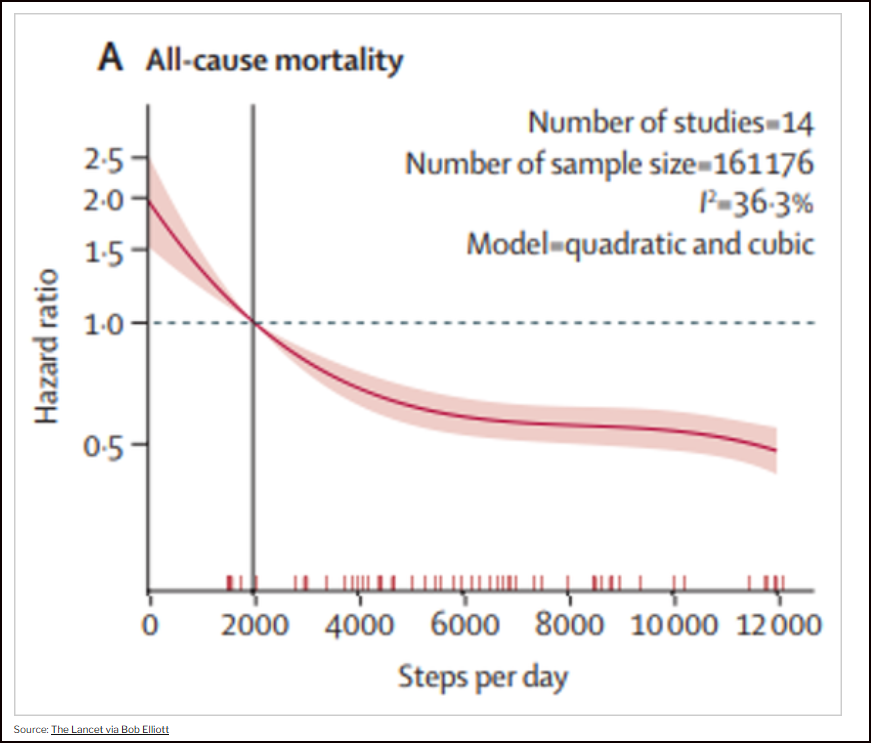
Con el habito de pasos (o activida fisica) voy directo al colapso esteril.
Lo primero ha sido controlar el consumo de información. Empezó moderando el consumo de dopamina con estimulo digital.
«Dame un acto y te daré un hábito. Dame un hábito y te daré una voluntad. Dame una voluntad y te daré un camino. Dame un camino y te daré el cielo».
Palestra Ascética para Hombres —Antonio J. Gómez-mir
Tres de Febrero — creo que ya estoy reviviendo el habito de ejercitarme. Casi tres semanas, nueve sesiones en el gimnasio. En la 2da semana me pusieron a trotar en la banda infinita y aguanté TRES minutos completos. Ayer aguanté doce (una milla). Me empieza a dar la curiosidad sobre “las carreras”. Si el acatenango fuera una maraton, iría por los primeros mil pasos -la parte mas desesperante-.
Seis de febrero — la palestra de esta invacion virtuosa no es en el movimiento fisico. Es en la boca. El apetito. Tengo una edad metabolica de 56 (a los 41) gracias al 41% de grasa y 18% de grasa visceral. Debo cambiar la cantidad de carbohidratos por proteina.
Semana del 18 Febrero — despues de revisar mis resultados de azucar y colesterol (todos en el límite, en la frontera maxima) recibí y ejecute mi sistema de alimentacion. Desayuno despues de las 6am; empezar por tomar 1 litro de agua al nomas levantarme, y lo que ha sido imposible, dejar de comer despues de las 6pm. A pesar de algunas fallas en la constancia del ejercicio y control del apetito, logré bajar 2 libras de pura grasa y subir una de puro musculo. Es una transformacion que creo que debo sostener por 40 o 50 semanas. Quizas el resto de mi vida. Estoy en 3 bolas y dos strikes, y estoy luchando este ultimo turno que me esta dando la naturaleza de mi cuerpo para no entregarme al suicidio lento de la obesidad morbida.
Semana del 16 Abril — ya pasó semana santa y ya termino el challenge del Fitness One. Debido a que ya no tengo entrada al gym, he optado por reactivar el habito de hacer Kettlebell swings cada 45 minutos cuando estoy en la oficina. El manejo de comidas en las noches me está rebasando, o sea, como granola desmedidamente. Debe ser porque no he comido vegetales.
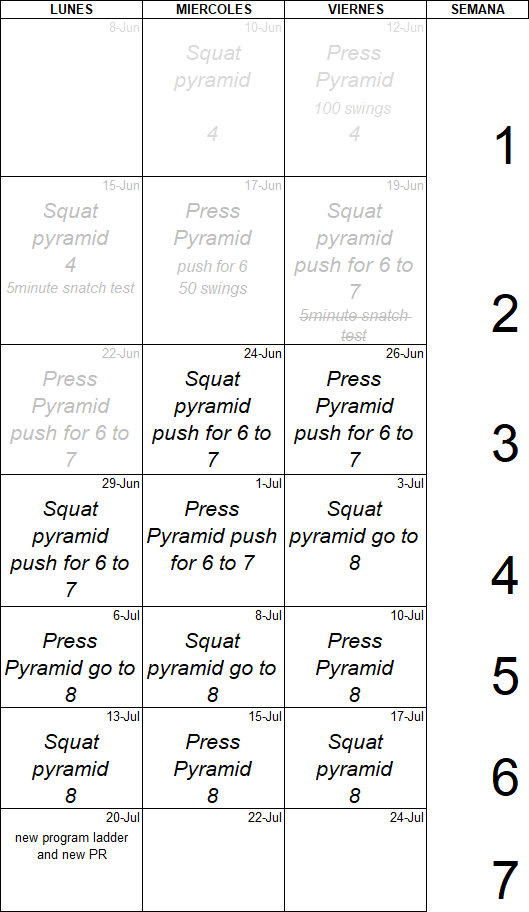
Semana del 23 Junio — compré dos kettle bells de 50lb cada una. La idea original era regresar al Fitness One, pero es muy caro para mi. Evalué otro gimnasio (SmartFit) mas barato, pero no me ofrece lo que necesito: Kettlebells pesadas. Gracias a conversar con el coach Francis me di cuenta que lo verdaderamente economico es conseguir dos kettlebells pesadas y trabajarlas asiduamente. Así lo he hecho:
Esta pirmide diseñada por Pavel Esta pirmide diseñada por Pavel Esta pirmide diseñada por Pavel Tsatsouline consiste en hacer lo siguiente en una sola secuencia con ambas kettlebells: 1 clean + 1 Press + squat + renegade row. La piramide se aplica en el press o en el squat, dependiendo del dia. No he llegado a la mitad y ya percibo los resultados.
Primera Semana de Agosto — He logrado hacer la piramide de Pavel. No tengo dolores de espalda, ni padezco de cansancio. Efectivamente estoy mas fuerte.
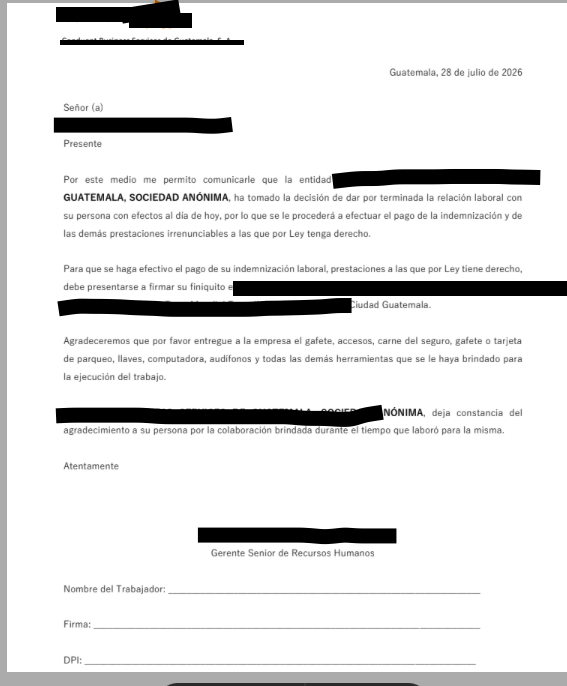
Martes 28 de Julio, son las 11 am. Estoy trabajando y estoy contento porque acabo de conseguir un descuento de $11k después de negociar con un financista (lessor) para que nos bajara el LFR en un nuevo deal. Ese día tuve ritmo porque acabo de recomendar otra decision basada en “capital budgeting”para hacer un lease en vez de una compra — además, estoy preparando una docena de transferencias cablegráficas que suman mas de 6 cifras en dólares. Siempre disfruté de la rutina de analista financiero, especialmente en tesorería porque el contacto con los mercados de capitales es siempre cercano. El último análisis interesante que hice fue hace una semana y era la estimación del costo de la deuda con el benchmark de la emisión de bonos corporativos, para ser incluida en el 10-q del siguiente trimestre.
Después de varias interacciones por Teams (chats y llamadas), recibo una invitación para una “meeting” a las 2:30pm titulada “tareas varias”. Muy raro el tema, la duración y la hora. Ingenuamente no sospecho nada.
Este evento lo venia deseando desde 2017. Me uní a Xerox en Marzo 2014 como “Risk Manager” — analizábamos oportunidades grandes y aplicábamos Enterprise Risk Management para decidir que cambios hacer en el contrato/solución. En 2016 Xerox fue dividida en dos, creando una nueva corporación llamada Conduent. En esa transición dejè de hacer Risk Management y empecé en tesorería apoyando en Leasing. En ese momento, la estrategia dominante era escalar la pirámide corporativa, que se trata de conseguir roles con más poder y autoridad, a cambio de un ingreso mayor.
En vez de la ambición de “carrera” elegí coquetear con el rumbo del Entrepreneur, así que comienzo el “Minimum Viable Product” llamado Coffee Bar. Desde Marzo 2016 todos los años he vendido al menos dos eventos al año, y solo en uno he tenido pérdidas. El siguiente año participé como juez en la competencia de baristas, lo cual implicó ir a tomar capacitaciones y aventurarme a calificar los resultados de espressos hechos profesionalmente por baristas. Después, junto con unos socios, organizamos e hicimos la primer competencia oficial de Aeropress de Guatemala. Recuerdo que tuve que llamar a Australia al salir de la oficina para pedir los borradores del contrato, pues esta conversación no la podia tener en la oficina y también la deferencia de horario.
Llegó la pandemia. En el encierro descubro el libro de María Calvo “Paternidad Robada”, y me doy cuenta que la única empresa que vale la pena es la institución del matrimonio, pieza nuclear de la familia. Desde entonces la mayoría de mi impulso emprendedor se ha canalizado en una aventura intelectual teológica alrededor de la paternidad. En medio de esta aventura intelectual, tengo a mi primer hija, Maria Ines.
Estas aventuras pasaban mientras el ritmo de trabajo en tesorería era mas o menos el mismo como el del primer párrafo.
Desde enero 2026 hasta Julio, el equipo de trabajo de tesorería se redujo de 17 a menos de 12, lo cual mucho porque es como que en un partido de fut once hayan tres tarjetas rojas simultaneas. En el último mes había renunciado el el máximo jefe, el tesorero, con quien compartíamos el interés por las cosas financieras; le gustaba presumir que él era uno de los precursores de los CDOs, y ademas se considera ideológicamente libertario. También acaba de renunciar su mano derecha, que era el que hacia ese análisis de tasas que mencione al principio. El ambiente estaba turbio, incierto, y altamente demandante. Un buen clima para crecer, pero solo si se tiene una estrategia clara.
En enero 2014 recé por tener este trabajo. De verdad quería hacer Risk Management de primer nivel.
El domingo anterior al despido le dije a Jesus en Misa: “Jesus, y si de verdad haces que me despidan… así como hiciste que me eligieran para comenzar en Marzo 2014”.
Una buena porción del trabajo que realizaba en tesorería ya se podia sustituir con un buen prompt de IA. Las ultimas dos semanas eso estuve haciendo. Dice Arthur Brooks, profesor de “happiness” de Harvard, que si tu trabajo es interactuar con pantallas todo el tiempo, no es un trabajo real; al menos en el sentido de usar ambos hemisferios del cerebro, y que por eso hay tanta ansiedad. Ciertamente desde el pivote del 28, el cortisol me ha bajado, el apetito esta menos irascible y tengo mas deseo de levantar mis kettle bells.
Con la ayuda de Grok, hice un plan de 30 y 90 días para lo que se viene. Desde el ultimo semestre de la universidad en 2007 no me encontraba en este abismo de no tener nada concreto en el futuro inmediato. Y me gusta; es como tener otro hijo. Es de esa incertidumbre es de aquellas como las de Taleb por la antifragilidad.
Yo sé que hay personas que están rezando por mí y mi familia, quizás seas una de ellas. Esta experiencia me está brindando una humildad ontológica que sólo se puede conseguir de forma preternatural. También hay otras personas que me están ayudando directa o indirectamente, y con ellas muy agradecido estoy.