Ya no Aguanto a mi Espos@
El amor de Cristo a la Iglesia y de la Iglesia a Cristo no es un “amor tranquilo”, sino siempre atento y marcado por la cruz ¿En qué cabeza cabe que tu matrimonio sería diferente?
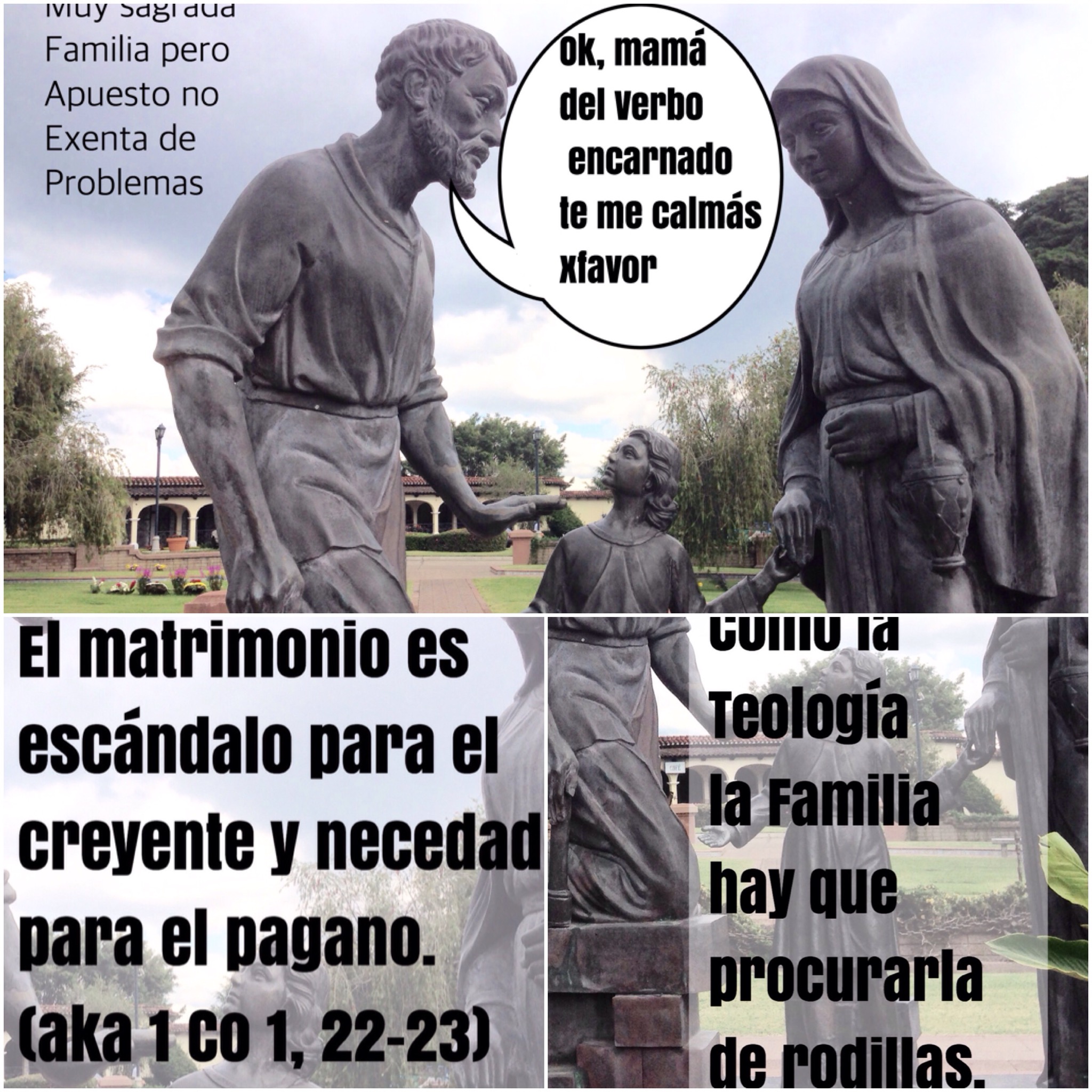
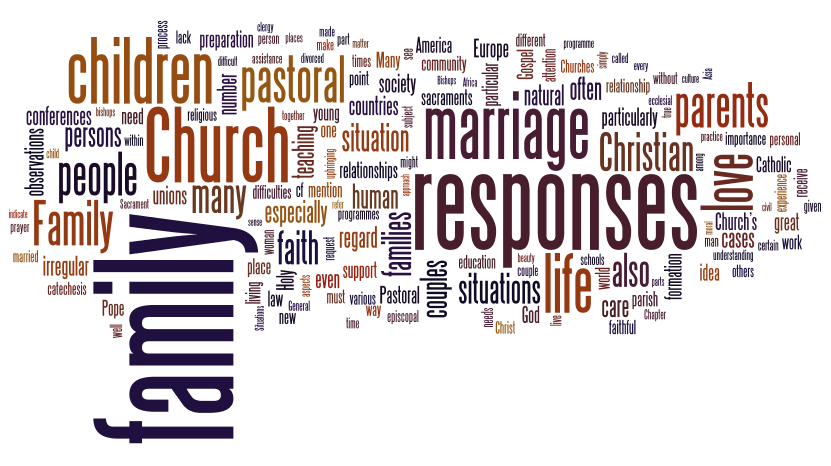
Idea original de la imagen: Lectura del sínodo de los obispos (interpretación mia):The Bunker of Love — The Family
Este post lo realicé hace como un mes, solo con la foto de arriba. Este fin de semana tuve mal entendidos con mi esposa y me he puesto a revisar algunas fuentes que me estan siriviendo y que creo que pueden ayudar a otras personas en situación similar a la nuestra con MJ, mi esposa.
LA FAMILIA ─ Pag 35 / Capitulo 4
Copia de libro de Milton Iglesias Fascetto ─ Diácono permanente fallecido en septiembre de 2014, a los 76 años de edad en Montevideo. Recibió la ordenación diaconal en 1987, Al momento de su muerte era copresidente suplente de la Confraternidad Judeo-Cristiana del Uruguay. Era casado y tenía tres hijos y seis nietos (fuente).
En el Antiguo Testamento el matrimonio se utilizaba como imagen para explicar la relación de Yahvé con su pueblo Israel. Se partía de lo conocido por los seres humanos (la experiencia matrimonial) para comprender algo misterioso: el amor de Dios para con su pueblo, el amor de Dios que se había atado a Israel por la alianza.
En el Nuevo Testamento se parte del desposorio de Jesús con la Iglesia, con la que forma un solo cuerpo, para llegar al significado y contenido del matrimonio cristiano. La revelación del Nuevo Testamento eligió el concepto de nupcialidad para hablar de la comunión vital entre Jesús Salvador y la humanidad redimida (la Nueva Alianza). En Jesús se unen “se casan” lo humano y lo divino en un solo ser. A Él se le pueden atribuir adjetivos humanos y divinos con verdad. Jesús, en forma misteriosa, comprende toda la realidad humana en la que nos integramos nosotros. Asume lo nuestro y nos hace partícipes de lo suyo.
Tenemos que develar el contenido del matrimonio entre Cristo y la Iglesia, ya que es éste el que revela a los esposos el misterio salvífico de su amor.
El sacramento del matrimonio no es otra cosa que el amor de los esposos y por esa razón el rito matrimonial, en lo fundamental, no es otra cosa que la manifestación de ese amor a través del consentimiento público. Los ministros del sacramento del matrimonio son los propios contrayentes. Él le administra el sacramento a ella y viceversa. El ministro de la Iglesia, testigo cualificado, bendice en nombre del Señor esa boda, y confirma que ante Dios y la Comunidad se ha dado el consentimiento matrimonial.
El “modelo” del amor de los esposos es el amor de Cristo y su Iglesia. Por lo tanto se trata de un amor total que involucra todos los estratos del ser y para siempre. Formar un solo ser, “una sola carne”, a imitación de Cristo y su Iglesia, es la vocación del matrimonio cristiano.
En este sentido se les llama “cónyuges” porque, atados al mismo yugo, hacen un único camino. Esta afirmación supone un cambio radical: ya no pueden considerarse solteros como antes, sino donados o unidos el uno al otro. Así dice San Pablo: “forman un solo cuerpo”. Por eso amar al otro es amarse a sí mismo (Efesios 5,28-29).
Recae en uno lo que sucede al otro. Existe una verdadera circularidad que manifiesta que los dos son uno, como hay una circularidad entre Cristo y la Iglesia, porque son uno.
En este aspecto es significativo el contrato matrimonial donde además del mutuo derecho de uno al otro, se da un derecho conyugal, como si fueran una sola persona jurídica –bienes gananciales–, y el uso del mismo apellido.
Esto último en la actualidad está prácticamente en desuso, conservándose en algunas partes de Europa el que la mujer adopta el apellido del hombre justamente para significar lo que antecede. Pero en América cada cónyuge continúa el uso civil y religioso de su nombre y apellido de origen.
A esta altura del tema conviene subrayar algo importante. Hablar de que el matrimonio debe reflejar el amor de Cristo y la Iglesia puede quizás inducir a alguien a espiritualizar el amor humano.
Si a la familia se la llama “la pequeña Iglesia” o “Iglesia doméstica”, no se deberá solamente a que la familia sea célula de la sociedad eclesial, como lo es de la sociedad humana, o porque de la calidad de la familia dependa la calidad de la Iglesia; sino principalmente por ser en pequeño la expresión del misterio de Cristo y la Iglesia.
Por eso la “pequeña Iglesia”, como “la Iglesia mayor” (aspecto empírico del Cristo real prolongado en la historia), debe reflejar las dimensiones de santidad, consagración y testimonio del amor de Cristo a la humanidad. Este aspecto eclesial del matrimonio se manifiesta claramente en la liturgia del sacramento: éste se celebra ante la Iglesia, que está presente por medio del ministro ordenado (Obispo, Presbítero o Diácono) y de la comunidad (parte y símbolo de toda la comunidad eclesial).
La Iglesia-comunidad celebra el amor de los esposos, ruega para que se realice ese reflejo de la unión de Cristo y su Iglesia, y acepta gozosa que esa pareja se convierta en signo visible del misterio salvífico de su unión con Cristo. De aquí se deduce que lo que divide a los esposos es un contrasigno; es la contramarcha de su misión en el interior de la Iglesia y, por lo mismo, es faltar a la vocación a la que Dios ha llamado a los esposos.
El sacramento del matrimonio es el asumir por parte de Cristo el amor de los esposos, haciéndolos partícipes, como personas referidas la una a la otra, de su misterio pascual o salvífico; misterio que no está desligado de Él, sino que es Él mismo quien se instala en el amor de la pareja asumiéndolo como suyo y dándole su dimensión divina y trascendente.
Es el amor de los esposos lo que es y santifica el sacramento. Vale decir que la referencia de uno a otro no queda encerrada en ellos, sino que adquiere en Cristo, por Cristo y con Cristo una dimensión divina, sagrada y eclesial.
Se dice de la Virgen María que, al besar a su hijo Jesús, besaba a Dios. Algo semejante tiene que decirse de los esposos. Su relación amorosa no queda encerrada entre ellos, sino que, por el sacramento, se convierte en encuentro con Dios, en el ámbito de la Iglesia.
La llamada “espiritualidad conyugal” consiste en vivir conscientes y cada día con mayor plenitud esta dimensión divina (que religa –que ata– con Dios, que participa de su vida) del amor de los esposos.
Lo anotado precedentemente es una llamada de atención para quienes se olvidan del sacramento o no toman conciencia del mismo y, por ello, no toman el amor conyugal con mayor seriedad. Se olvidan del tesoro escondido y así pierden el vivir religiosamente su experiencia humana: la más rica y gratificante de que son capaces.
El amor aspira a la fusión de los que se aman. Pero la experiencia enseña que entre los cónyuges se interpone el mundo de los propios egoísmos; todo eso que hiere y que desune. El hombre y la mujer que se casan no dejan de traer consigo el culto a la propia persona, la preocupación por la propia felicidad. Es decir, traen una simiente de discordia. La gracia de la unión ayuda al compromiso y anima a los esposos a ser capaces de obedecer a los imperativos del amor. Con esta seguridad los esposos pueden repetir con San Pablo: “todo lo puedo en
aquel que me conforta”.
Ante el mal que acecha, por el sacramento se tiene la seguridad y la esperanza de que con la gracia todo lo podemos. Cristo es fiel y siempre se desvive para salvar el amor de los esposos. Esta fe y confianza es importante, especialmente cuando surge la incomprensión. Es necesario tener fe en el sacramento. Dios llamó y da la gracia para realizar la vocación. Sin esta fe fácilmente se cae en la resignación (al ver caer la ilusión soñada) o en el estancamiento del amor.
1) El diálogo: un diálogo muy existencial sobre la realidad que viven los dos, sobre los sentimientos, sobre la realización personal. 2) La oración en común. Donde se explicite y celebre la conciencia del misterio que viven en su amor; donde se goce de la presencia de Jesús, quien da una dimensión trascendente al amor; recordando aquello de que “esposos (o familiares) que rezan juntos permanecen juntos”.
3) El compromiso en común. El compromiso evangelizador en común lleva a compartir los centros de interés en el apostolado. Es una nueva forma de unión en la acción y una nueva forma de complementarse.
4) La gracia de la fidelidad. La fidelidad generalmente se piensa como exclusión de un tercero, sea en el orden carnal o en la imaginación, idealizando al consorte y no aceptándolo como es. Pero fidelidad significa muchas cosas más para las que colabora la gracia. El evangelio nos dice que “donde está tu tesoro está tu corazón”. A veces se dan tesoros (egoísmos, cosas, personas, honores, etc.) que captan el corazón al margen y aún con desmedro de la conyugalidad. Son formas de infidelidad.
La fidelidad supone un permanente crecimiento en el amor, el cual se explicita muchas veces por el concepto de indisolubilidad. Indisolubilidad no significa aguantarse o permanecer fiel al juramento sólo materialmente, sino un proyecto de vivir de a dos siendo como sólo uno, como catalizador de las posibilidades de mutua entrega y crecimiento en el amor. Y esto supone tanto la cruz como la
gracia que lo hace posible.
La gracia de la fidelidad es la que hace capaz de sacrificarse sin descanso uno por el otro, derrotando siempre al egoísmo, que nunca muere y tiene mil formas de comprometer el amor. La gracia de la fidelidad es la gracia de la reconciliación, del saber perdonarse y pedir perdón “setenta veces siete”, es decir siempre.
En resumen, los esposos han de acudir al Sacramento del Matrimonio permanentemente para tomar conciencia y vigor: 1. Para no considerarse más como personas aisladas, sino “religadas”, unidas, donadas la una a la otra.
2. Para que el amor que viven, muy analizable a nivel empírico, muestre su reverso trascendente y divino: Cristo. 3. Para recordar que hay un refuerzo para ayudar a la debilidad humana en la obra maestra de la mutua unión, en la construcción del solo ser (una sola carne), a nivel vertical, comprometiendo todos los estratos del ser, y a nivel horizontal, a lo largo de los días, para ir creciendo en el amor sin caer en los lazos de la rutina o el cansancio.
Ficha del Capítulo 4
1. ¿Tengo claro el significado y alcance del Sacramento del Matrimonio que he recibido y que administré (o que voy a recibir o administrar, si son parejas que se preparan)?
2. ¿Qué es para mí hacerme una sola carne con mi esposa(o)?
3. ¿Cómo vivo el “nosotros”?
4. ¿Vivo cada día consciente de la dimensión divina del Sacramento del Matrimonio?
5. ¿Vivo con seriedad el amor conyugal?
6. ¿Me preocupo más de mi felicidad que por la de mi esposa(o)?
7. ¿Dialogamos sobre nuestros sentimientos y realizaciones personales?
8. ¿Oramos juntos?
9. ¿Cuál es nuestro compromiso evangelizador?
10. ¿Cómo es nuestra fidelidad?
11. ¿Sabemos perdonarnos, reconciliarnos?


























 Mkt Student